Working as a server in a busy restaurant in Manchester, I used to love seeing cash left on the tables at the end of a long shift. Many workers wonder: are tips taxable uk? The quick answer is yes, tips received for your work are generally taxable as earnings in the UK. However, how tax gets collected depends on how the money reaches your pocket. Cash tips, card payments, employer-paid sums, voluntary service charges, and tronc schemes each follow different collection routes. HM Revenue & Customs (HMRC) treats tips and gratuities as employment income for Income Tax. This guide covers the 2026/27 tax year rules to help you stay compliant.
We will explain how tips, gratuities, service charges, and troncs differ. Getting the facts early helps you plan your personal finances. Employment law and tax law are separate matters. The Employment (Allocation of Tips) Act 2023 ensures workers receive qualifying tips, but it does not make those tips tax-free.
Are Tips Taxable in the UK?
The short answer is yes, but the path from a customer to your pocket matters. A £20 note given directly to you and a £20 card tip processed through payroll follow different tax collection steps. HMRC guidance treats all gratuities from employment as taxable income.
Are Cash Tips Taxable?
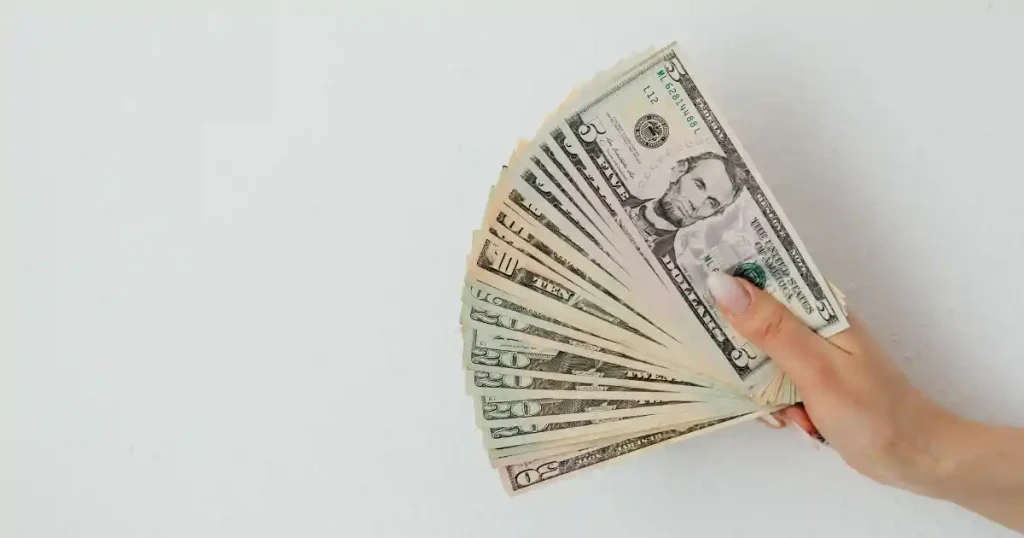
Direct cash tips are taxable earnings, but they might not be subject to PAYE at the moment you receive them.
- Cash handed straight to you by a customer.
- Money left on a table that you keep directly.
- Cash pooled by the team and shared out later.
- Unpaid cash that still counts as taxable income.
HMRC confirms that direct cash tips retained by staff do not go through PAYE if the employer has no hand in collecting or splitting them. However, you must still pay Income Tax on that cash.
Are Card Tips Taxable?
Electronic tips processed on card machines or payment apps are fully taxable.
- Payments taken on card terminals.
- Digital app tips sent via QR codes.
- Tips paid out through your employer’s payroll.
- Pool systems managed by management.
- Dedicated tronc arrangements.
Getting a tip electronically does not make it tax-free. The money counts as employment income.
Are Tips in Your Payslip Taxable?
When your employer collects and pays out tips through payroll, Income Tax and National Insurance come off automatically.
- Basic pay: Your agreed hourly wage or base salary.
- Tips: Extra earnings added to your gross total.
- Gross pay: Your full earnings before deductions.
- PAYE Income Tax: Tax taken directly for HMRC.
- National Insurance: Contributions deducted from pay.
- Net pay: The final amount paid into your bank.
Are Tips Through a Tronc Taxable?
A tronc is an organised pay system used to share tips and service charges among staff. HMRC sets clear rules for troncs, allowing a designated troncmaster to run PAYE on distributed payments.
How Does Tax on Tips Work in the UK?
Knowing that tips are taxable leads to the main question: how much tax will you actually pay? That depends on your total annual earnings, your tax code, and how the tips are processed.
Tips Are Part of Your Taxable Earnings
Tips are added to your regular pay rather than treated as separate tax-free perks.
- Salary combined with taxable tips.
- Bonuses added to your total income.
- Other employment perks and overtime.
- Your tax-free Personal Allowance.
- Current Income Tax threshold bands.
Your Personal Allowance Can Affect Tax on Tips
Tips use the same Income Tax rules as regular pay.
- Personal Allowance: Your initial tax-free earnings limit.
- Basic-rate tax: The main tax rate for average earnings.
- Higher-rate tax: Applied when total earnings cross the upper limit.
- Additional-rate tax: The rate for top earners.
- Scottish Income Tax: Separate rates for residents in Scotland.
Tips Can Push You Into a Higher Tax Band
Extra income from tips raises your total earnings for the year. If your base salary sits just below a tax boundary, tips can push the top portion of your income into a higher tax band. Only the money above the threshold gets taxed at the higher rate.
Tips and National Insurance Are Different
Income Tax and National Insurance (NI) follow different rules when it comes to tips.
- Income Tax applies to almost all tip income.
- Employee National Insurance depends on who handles the money.
- Employer National Insurance applies under specific payroll setups.
HMRC makes a clear distinction between Income Tax and National Insurance rules for tips.
How Different Types of Tips Are Taxed
People use the word “tip” to describe several kinds of payments. Let’s look at how each type works under UK tax rules.
Cash Tips Given Directly to You
When a customer hands you cash and your employer plays no part in collecting or splitting it, no tax is taken on the spot. You remain responsible for reporting this income to HMRC so they can adjust your tax code.
Tips Collected by Your Employer
If your employer collects card tips or pools table cash, they take control of the funds. They must deduct Income Tax and National Insurance through payroll before paying you.
Voluntary Service Charges
A service charge is voluntary if the customer can ask to have it removed from the bill. While optional for the customer, it counts as taxable earnings once distributed to staff.
Compulsory Service Charges
Mandatory service charges added to a bill belong to the business initially. When passed to employees, they count as standard pay subject to PAYE tax and National Insurance.
Digital and App-Based Tips
Modern apps let customers tip via smartphones or QR codes. Whether paid via an app or a card reader, the income remains taxable.
Cash Tips vs Card Tips vs Tronc Payments
This table shows how common tipping methods are taxed in the UK.
| Payment Type | Usually Taxable? | How Tax May Be Collected |
| Direct cash tip | Yes | Worker declares to HMRC directly |
| Card tip via employer | Yes | Deducted through PAYE payroll |
| Tip paid in payslip | Yes | Deducted through PAYE payroll |
| Tronc payment | Yes | Processed by troncmaster via PAYE |
| Voluntary service charge | Yes | Depends on who distributes money |
| Compulsory service charge | Yes | Standard PAYE and NI rules apply |
HMRC confirms that tips, gratuities, and service charges count as taxable employment earnings across all payment methods.
What Is a Tronc and How Is It Taxed?
A tronc is a formal scheme for sharing tips among hospitality workers. The word comes from the French term for a collection box.
What Does Tronc Mean?
A tronc pools tips, gratuities, and service charges to distribute them fairly among staff members.
- Tronc: The shared tip pool system.
- Troncmaster: The independent person running the pool.
- Tronc members: Staff who receive pool payouts.
- Tip distribution: The set rules for sharing funds.
Who Runs a Tronc?
An independent troncmaster manages the system rather than company directors. The employer must not decide who gets what if the scheme is to operate independently for National Insurance purposes.
How Is Tax Collected From Tronc Payments?
The troncmaster runs a special PAYE scheme to deduct Income Tax from payments before staff receive them.
Does a Tronc Make Tips Tax-Free?
No. A tronc changes how tips are shared and taxed, but it does not make the payments tax-free.
Are Tips Taxable If You Work in a Restaurant?
Restaurant staff handle tips daily, from cash left on tables to automatic card additions.
Restaurant Cash Tips
Direct cash left on tables and kept by servers must be declared to HMRC by the worker.
Restaurant Card Tips
Tips paid on card machines are collected by management and paid out via payroll with tax deducted.
Restaurant Service Charges
Optional service charges added to bills are taxable once distributed to front-of-house or kitchen staff.
Restaurant Tronc Systems
Many restaurants use troncs to split tips fairly between servers, runners, chefs, and bar staff.
Example: A Friday Evening Shift
Imagine starting a shift at 4 pm in a busy bistro:
- You collect £35 in direct cash tips.
- Customers add £40 in card tips at the till.
- A 12.5% service charge is added to group tables.
- Cash tips are kept in your pocket, while card tips go to the house pool.
The £35 cash is taxable, and you must report it to HMRC. The card tips and service charges go through payroll, where tax is deducted automatically.
Are Tips Taxable for Other UK Workers?
Tips are not limited to restaurants. HMRC rules apply to many customer-facing roles.
Hairdressers and Barbers
Cash given to stylists or barbers counts as taxable income. You must report untaxed cash tips to HMRC.
Taxi Drivers
Tips given to cab drivers count as employment or self-employed earnings and must be declared.
Hotel Workers
Porters, housekeepers, and concierges must report cash tips that do not go through payroll.
Delivery and Service Workers
App tips given to couriers and drivers count as taxable income alongside base fees.
Other Customer-Facing Workers
Any gift or tip given in connection with your work counts as taxable income, regardless of your job title.
Tips, Gratuities and Service Charges: What’s the Difference?
These terms are related, but they have distinct meanings in tax and employment law.
What Is a Tip?
A tip is an optional gift given directly by a customer to thank a worker for good service.
What Is a Gratuity?
A gratuity is simply another word for a tip.
What Is a Service Charge?
A service charge is an added amount shown on a customer’s bill for providing service.
Voluntary vs Mandatory Service Charge
This comparison highlights key differences between service charge types.
| Feature | Voluntary Service Charge | Mandatory Service Charge |
| Customer must pay? | No | Yes |
| Added before payment? | Usually | Yes |
| Tax treatment | Taxable earnings | Taxable earnings |
| Same as cash tip? | No | No |
HMRC checks bill wording to confirm if a service charge is truly optional.
Do You Have to Tell HMRC About Cash Tips?
Yes. If your employer does not tax your cash tips through PAYE, you must report them to HMRC yourself.
When Your Employer Does Not Handle the Tip
When you keep direct cash tips, HMRC has no automated record of that income. You must notify them so they can collect the tax owed.
When Tips Are Already Included in Payroll
If tips appear on your payslip with tax taken off, you do not need to report those amounts again.
When You Have Several Sources of Income
If you earn a base salary, receive cash tips, and have other income, you must look at your total earnings to stay tax compliant.
Keep a Simple Tip Record
Keep a daily record of your tips including:
- Date of your shift
- Cash tips received
- Card tips recorded
- Tronc payouts
- Tax taken on payslips
Accurate records help you report exact figures to HMRC.
How to Calculate Tax on Tips
Follow these steps to estimate your tax on tip income.
Step 1: Add Up Your Taxable Tips
Total all cash tips, card tips, and tronc payouts received during the tax year.
Step 2: Add Your Other Taxable Income
Combine your tip total with your base salary, bonuses, and other taxable earnings.
Step 3: Check Your Personal Allowance
Compare your total income against your standard tax-free Personal Allowance (£12,570 for 2026/27).
Step 4: Apply the Correct Income Tax Bands
Calculate tax on earnings above your allowance using basic, higher, or additional rates.
Step 5: Check National Insurance Separately
Calculate National Insurance separately, as different rules apply compared to Income Tax.
Simple Formula
This basic formula gives a quick estimate of your taxable position.
Worked Example: Calculating Tax on Tips
These practical examples show how tax on tips works in everyday situations.
Example 1: Employee With Weekly Cash Tips
- Annual base salary: £20,000
- Direct cash tips: £2,000
- Total taxable earnings: £22,000
- Personal Allowance: £12,570
- Income subject to tax: £9,430
- Tax due at 20%: £1,886
The employee must report the £2,000 cash tips so HMRC can adjust their tax code.
Example 2: Employee With Card Tips Through Payroll
- Base pay: £18,000
- Card tips via payroll: £3,000
- Gross pay on payslip: £21,000
The employer deducts Income Tax and National Insurance on the full £21,000 via PAYE. The worker does not need to contact HMRC separately.
Example 3: Restaurant Worker Paid Through a Tronc
- Basic wages: £16,000
- Tronc payouts: £4,000
- Gross taxable earnings: £20,000
The troncmaster deducts Income Tax from the £4,000 via a dedicated PAYE scheme before paying the worker.
Example 4: Tips Push Income Across a Tax Band
- Base salary: £49,000
- Annual tips: £3,000
- Total earnings: £52,000
- Basic-rate limit: £50,270
Income up to £50,270 is taxed at 20%. The remaining £1,730 above the threshold is taxed at the 40% higher rate.
UK Tip Tax Calculator: What Should You Enter?
When using an online tool to estimate your tax on tips, enter your details as follows:
Employment Income
Enter your total gross base salary before tax, not your net take-home pay.
Annual Tips
Separate your tip entries into distinct categories:
- Cash kept directly by you.
- Card tips paid via payroll.
- Separate tronc payouts.
Tax Year
Select the 2026/27 tax year to ensure current rates and allowances are used.
UK Location
Choose your location (England, Wales, Northern Ireland, or Scotland), as Scottish tax rates differ.
PAYE Already Deducted
Enter tax already taken on your payslip to see if you owe additional tax on untaxed cash tips.
Calculator Disclaimer
Online tax calculators provide estimates. They do not replace official advice from HMRC or a qualified accountant.
2026/27 UK Tax Rules for Tips
Tax rules require ongoing attention to ensure full compliance.
Income Tax Treatment
Tips related to your job count as taxable earnings. HMRC guidance remains the main source for compliance rules.
PAYE Treatment
Employers deduct Income Tax via payroll whenever they control or distribute tip funds.
National Insurance Treatment
National Insurance applies to employer-controlled tips, but direct cash tips and independent tronc payouts may be exempt from NI.
2024 Tipping Law Changes
The Employment (Allocation of Tips) Act 2023 requires employers to pass 100% of qualifying tips to staff without deductions. However, this law did not make tips tax-free.
2026 Updates to Tipping Guidance
In 2026, updated statutory guidance was issued to help businesses maintain fair tip distribution practices.
Tips and the Employment (Allocation of Tips) Act 2023
Employment law and tax law cover different aspects of tipping.
What Changed on 1 October 2024?
- Employers must pass all qualifying tips to workers.
- Tips must be shared fairly among staff.
- Businesses must follow the statutory code of practice.
- Deductions for card processing fees are prohibited.
Does the Law Mean You Keep Tips Tax-Free?
No. The law ensures workers receive their fair share of tips, but HMRC tax rules still apply to those earnings.
What Should Workers Check?
- Review your employer’s written tipping policy.
- Check how tip pools are managed.
- Confirm payout frequency.
- Inspect payslip deductions carefully.
- Match payslip entries against your personal records.
Common Mistakes When Reporting Tips
Avoid these frequent mistakes when managing tip income:
- Assuming cash tips are automatically tax-free.
- Thinking your employer reports cash you kept directly.
- Confusing compulsory service charges with voluntary tips.
- Forgetting to log small daily cash amounts.
- Counting the same tip twice on tax forms.
- Applying tax rates from an old tax year.
Tips on Your Payslip: How to Check It
Understanding your payslip helps you confirm that tips are taxed correctly.
Gross Pay
Check that tip amounts paid through payroll are added to your base pay total.
PAYE Income Tax
Review the Income Tax deducted from your combined earnings.
National Insurance
Check your National Insurance deduction. Direct cash tips should not have NI deducted on your payslip.
Net Pay
Net pay is the final amount transferred to your bank account after all deductions.
What to Do If the Numbers Look Wrong
If your payslip looks incorrect, speak to your payroll manager or troncmaster first. You can also review your online tax account via GOV.UK.
Expert Advice on Taxable Tips in the UK
Rely on official government sources for authoritative tax and employment guidance.
HMRC’s Position
HMRC Booklet E24 provides official guidance on tax, PAYE, National Insurance, and VAT rules for tips, gratuities, and troncs.
Department for Business and Trade Guidance
The Department for Business and Trade provides the official code of practice governing fair tip distribution under UK employment law.
A Real-Life Day of Receiving Tips
Here is how different tip types flow through a typical shift in hospitality.
4:00 PM — Start of the Shift
You clock in at a busy restaurant in Leeds, review the shift rota, and prepare your order pad and cash float.
7:30 PM — Card Tips Arrive
A table of four pays by card and adds a £10 tip. This goes to the central system for payroll processing.
9:00 PM — Cash Tips
A couple leaves a £5 cash tip on table six. You slip it into your pocket and log the amount in your notebook later.
End of the Month — Tronc Payment
The troncmaster totals the monthly pool and calculates your share based on shift hours worked.
Payday — Check the Payslip
Your payslip arrives showing base wages, card tips, and tronc payouts. Income Tax is deducted via PAYE, and you update your records to report your direct cash tips to HMRC.
Tips Tax Checklist for UK Workers
Follow these steps to manage your tip tax correctly:
- Log all cash and card tips received.
- Separate direct cash from payroll tips.
- Check if your workplace runs a tronc.
- Review payslips for correct PAYE deductions.
- Report untaxed cash tips to HMRC.
- Separate voluntary from mandatory service charges.
- Track total earnings against your Personal Allowance.
- Apply current 2026/27 tax rates.
- Verify Income Tax and National Insurance calculations.
- Contact HMRC if you need assistance with tax codes.
Frequently Asked Questions About Tips and Tax in the UK
Are tips taxable in the UK?
Yes. Tips received for your work count as taxable income under UK tax law.
Do I pay tax on cash tips?
Yes. Cash tips are taxable even if your employer does not deduct tax at the time you receive them.
Are tips taxed through PAYE?
Yes, when processed through an employer’s payroll or an independent tronc scheme.
Are restaurant tips taxable?
Yes. All restaurant tips—cash, card, payroll, or tronc payouts—are taxable earnings.
Are card tips taxable in the UK?
Yes. Card tips are taxable, and employers usually deduct tax through PAYE before payout.
Is a service charge the same as a tip?
No. Service charges are added to customer bills and follow specific tax and payroll collection rules.
Is tronc income taxable?
Yes. Payments from a tronc count as employment earnings subject to Income Tax via PAYE.
Do tips count as wages?
Tips count as taxable employment earnings, though separate rules apply for National Minimum Wage calculations.
Do I need to tell HMRC about cash tips?
Yes. You must report direct cash tips that are not processed through your employer’s payroll system.
Does the UK tipping law make tips tax-free?
No. The Employment (Allocation of Tips) Act 2023 protects fair tip distribution but does not make tips tax-free.
Can tips push me into a higher tax band?
Yes. Tips increase your total annual income and can push earnings above higher-rate tax thresholds.
Are tips taxable in Scotland?
Yes. Tips are taxable across the UK, with Scottish tax rates applying to residents in Scotland.
Are tips taxable if I only receive a few pounds?
Yes. Small tip amounts still count as taxable income and form part of your total annual earnings.
Official UK Sources for Tips and Tax
Consult these official resources for reliable guidance:
HMRC — Tips at Work
- GOV.UK Tips at Work: Official guide on worker tax duties for tips and gratuities.
HMRC — Tips, Gratuities, Service Charges and Troncs
- HMRC Booklet E24: Detailed official guide on Income Tax, PAYE, and National Insurance rules for tips.
GOV.UK — Statutory Code on Fair Tip Distribution
- Code of Practice on Fair Tips: Official guidance from the Department for Business and Trade on fair tip allocation.
Employment (Allocation of Tips) Act 2023
- UK Legislation: Full text of the act governing tip allocation rights for UK workers.
Final Recommendation
When I first started working in hospitality in Manchester, tracking cash tips felt tricky until I built a simple daily habit. Managing your tips properly starts with keeping clear records of cash kept directly versus tips paid through payroll. Are tips taxable UK? Yes, but knowing how your workplace handles tips makes managing your tax simple. Always check your payslips to confirm whether tax has been deducted via PAYE, and declare untaxed cash directly to HMRC to keep your tax code accurate. Use official resources on GOV.UK to stay compliant and confident with your earnings.

Ehatasamul Alom is a strategic financial thinker and the co-founder of TaxableIncomeCalculator. He specializes in developing precise digital tools that simplify the complex UK tax system. Ehatasamul is committed to helping freelancers and professionals navigate HMRC compliance with ease. By staying updated on the latest UK budget changes and legislative updates, he ensures every calculation is accurate and reliable. His goal is to empower UK taxpayers with the clarity they need to manage their personal and business finances effectively.